Amp to kW Calculator
Convert amperes (Amps) to kilowatts (kW) with our easy-to-use calculator. This tool helps you determine the electrical power required by your HVAC system in kilowatts based on its current draw in amperes.
List of the Top 10 Best AC:
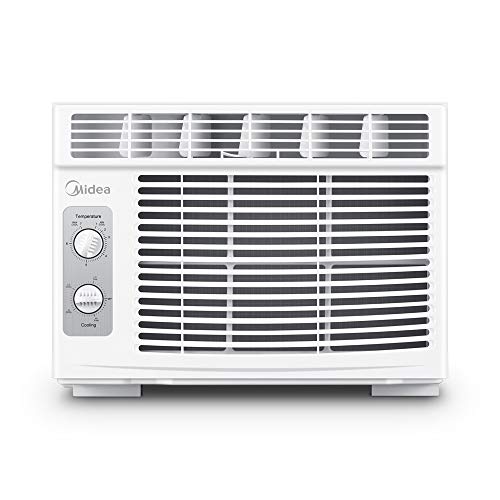


Complete Guide to Amps and kW
Understanding Amps and kW Measurements
Electrical power is commonly measured in amperes (Amps) and kilowatts (kW). Amperes measure the electrical current or the flow of charge through a circuit, while kilowatts measure the rate at which electrical energy is used or produced. Converting between amperes and kilowatts is essential for determining the power requirements of HVAC systems, as these systems rely on both electrical current (Amps) and power consumption (kW).
Amp to kW Conversion Formula
The formula to convert amperes (Amps) to kilowatts (kW) depends on the voltage (V) of the electrical system. The formula is:
Power (kW) = Amps × Voltage (V) / 1000
This formula allows you to calculate the power in kilowatts by multiplying the amperage by the system's voltage and dividing by 1000. For example, if you are working with a 230V system, the conversion would look like this:
- 1 Amp = 0.23 kW
- 5 Amps = 1.15 kW
- 10 Amps = 2.3 kW
Applications of Amps and kW
Understanding how to convert amperes to kilowatts is important for calculating the electrical power consumption of your HVAC system. For HVAC systems, both the amperage (current) and kilowatt rating (power consumption) are essential factors when choosing a system or assessing its energy usage.
Residential Use
In residential settings, HVAC systems typically use between 1 and 10 amps depending on their size and cooling capacity. By converting amps to kW, homeowners can better understand how much power their system consumes, allowing for better energy management and cost estimates. For example, a typical 10 Amp air conditioner operating on a 230V circuit would consume 2.3 kW of power.
Commercial Use
In commercial settings, the power draw can be much higher. Larger systems can draw 20, 30, or even 50 amps or more. By understanding the amperage and converting it to kilowatts, businesses can estimate the operational costs and ensure their electrical infrastructure is properly sized to handle the load.
Energy Efficiency and Electrical Load
Converting amperes to kilowatts allows you to estimate the electrical load of your HVAC system. Electrical load refers to the total amount of electrical power required by the system. By understanding this, you can ensure that the electrical components (wires, breakers, etc.) are properly sized to avoid overloads and ensure safe operation.
Example Calculation for Operational Cost
To calculate the operational cost of running an HVAC system, you can multiply the power consumption (in kW) by the number of hours the system runs and the local cost per kWh.
Cost = kW × Hours × Cost per kWh
For example, if your system uses 3.5 kW and runs for 8 hours a day with an electricity rate of $0.13 per kWh, the daily cost would be:
Cost = 3.5 × 8 × 0.13 = $3.64/day
FAQ
General Conversion
Q: How do I convert Amps to kW?
A: To convert Amps to kW, use the formula:
kW = Amps × Voltage / 1000. For example, for a 230V system, 10 Amps = 10 × 230 / 1000 = 2.3 kW.
Q: Why is voltage important in this conversion?
A: Voltage is important because the power consumed by a system depends on both the amperage and voltage. The higher the voltage, the more power the system can deliver at the same current.
Usage and Sizing
Q: What kW rating should my air conditioner have?
A: The kW rating depends on the system’s size and the area to be cooled. For example:
- Small room (10–20 m²): 1–2 kW
- Medium room (20–40 m²): 2–4 kW
- Large room (40–60 m²): 4–6 kW
Q: How do I know if my system is overloading?
A: If your system is drawing more current (Amps) than what the wiring and circuit breakers are rated for, it could be overloading the system. It's important to match the amperage and kW rating with your electrical system’s capacity.
Energy and Cost
Q: How can I estimate the cost of running my HVAC system in kW?
A: Multiply the system's power consumption in kilowatts (kW) by the number of hours it runs and the cost per kWh. For example: 5 kW × 8 hrs × $0.13/kWh = $5.20/day.
Q: Can I reduce amperage by using a more energy-efficient system?
A: Yes, energy-efficient systems require less current (Amps) to operate, which reduces the electrical load and helps lower energy costs.
Technical
Q: What is the difference between kW and Amps?
A: kW measures electrical power (how much energy is used per unit of time), while Amps measures the electrical current (flow of charge) in a circuit. To convert between them, you need to know the voltage of the system.
Q: Is the Amp to kW ratio fixed?
A: The ratio depends on the voltage of the system. For example, 1 Amp on a 230V system is equal to 0.23 kW, but for a 110V system, it is equal to 0.11 kW.